Preventing fires in sorting centers with artificial intelligence
Spot lithium batteries and gas cylinders on the conveyors, before they reach the baling presses.
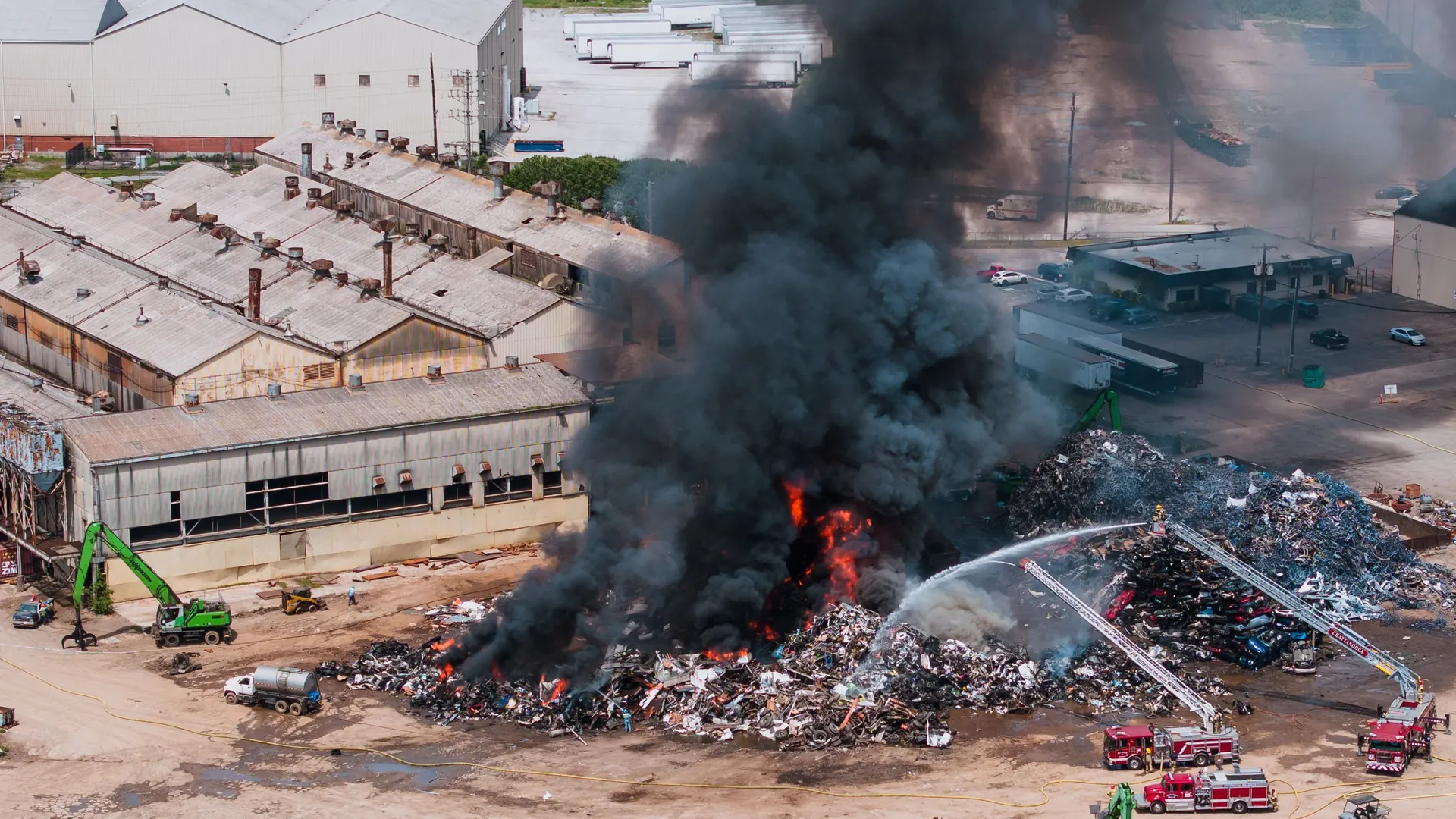
Why sorting centers catch fire
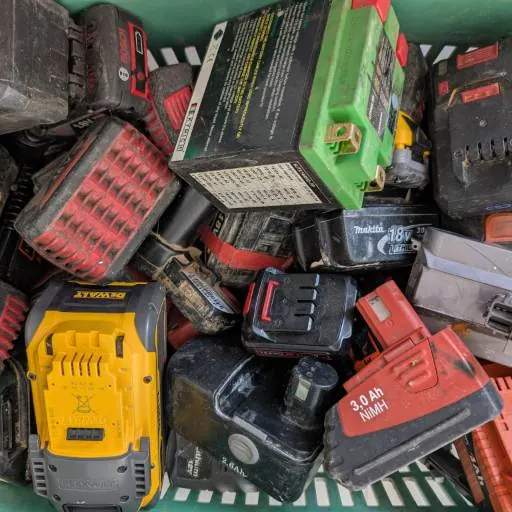
Dangerous objects cause nearly €100 million in damage every year in France to sorting centers and incinerators. Among them are the lithium-ion batteries of phones, e-cigarettes, cordless tools and scooters, thrown away by mistake with recyclable packaging.
Crushed by a machine or a baling press, a battery can heat up suddenly and set fire to the materials around it. Gas cylinders and nitrous oxide cartridges add a risk of explosion.
The safest way to limit these fires is to intercept these objects upstream, while they are still travelling on the conveyors. That is the role of Wasoria gantries: early detection on the line, rather than a response once the fire has started.
How Wasoria AI reduces the fire risk
Sensors above the conveyors, an AI trained on real waste, and alerts that trigger action.
Detecting lithium batteries
The Wasoria Box analyzes every object passing under the gantry and detects up to 80% of the lithium batteries present in the flows.
Detecting hot spots early
Early detection: the Wasoria Box thermal sensor flags an object that is heating up or a fire outbreak before it spreads.
Alerting the teams
Indicator lights on the line, mobile notification and alert in Wasoria Pilot: your operators know immediately where to step in.
Acting on the sorting line
Wasoria Pilot sends the information to the line PLC to trigger the planned response for the situation.
Protecting baling presses
Intercepting dangerous objects upstream keeps them from being crushed in the presses, where a fire or explosion is most likely.
Keeping a record
Every detection is recorded: figures for your safety audits and your discussions with your insurer.
Key figures
batteries detected per day by our systems
Statistics based on real data from the Tricéa sorting center (SMET 71) in Torcy.
of lithium batteries detected
of gas cylinders and nitrous oxide cartridges detected
Detection rate certified by Elcimaï.
in damage every year in France to sorting centers and incinerators, caused by dangerous objects
Frequently asked questions about fires in sorting centers
Why do lithium batteries cause fires in sorting centers?
Why are baling presses particularly exposed?
How does Wasoria detect a battery on a conveyor?
What happens when a dangerous object is detected?
How can I show my insurer that the fire risk is under control?
Does production have to stop to install the gantries?
Explore more
-
 Wasoria Box The AI sensor that analyzes your waste streams in real time.
-
 Wasoria Pilot The complete solution to steer and supervise your sorting operations in real time.
-
 Wasoria Characterization An advanced automatic solution for flow characterization.
-
 Performance Optimization An in-depth analysis of the sorting process to maximize real-time performance.
-
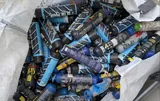 Dangerous Objects Prevention Detection and management of dangerous objects to ensure safety and integrity of sorting operations.
-
 Waste characterization Measure the composition and quality of your streams to steer sorting and recovery.
Assess the fire risk of your sorting center
Request a demonstration on your own flows: we show you which dangerous objects travel on your conveyors.